
Arrest Warrants in Gilmer County
An arrest warrant gives officers the power to take a named person into custody, and it does not come cheaply in legal terms. Georgia law makes a judge or magistrate weigh sworn facts and decide whether probable cause backs the accusation, meaning a reasonable basis to think an offense happened and this person did it. The sworn facts arrive by complaint or affidavit, and the judge's signed order is what hands officers their authority. Gilmer County sits in the Appalachian Judicial Circuit, so Superior Court takes felonies and general criminal cases. Gilmer County Magistrate Court, in turn, issues arrest and search warrants, holds preliminary hearings, handles minor criminal matters, and sets bail. Later court action stays with the issuing court named in the file, so that name matters from day one.
Gilmer Magistrate Reviews Probable Cause
When nobody will say which court issued a Gilmer County warrant, start with Magistrate Court. Chief Magistrate Kevin Johnson is listed at 706-635-2515 and magistrate@gilmercounty-ga.gov, and staff there can walk you through filing and record procedures, though they cannot give legal advice or predict a ruling. The Ellijay court clerk page lays out a separate city-court route with its own clerk contacts. Before you travel, name the case or citation, ask which court issued the process, and confirm the counter you need.
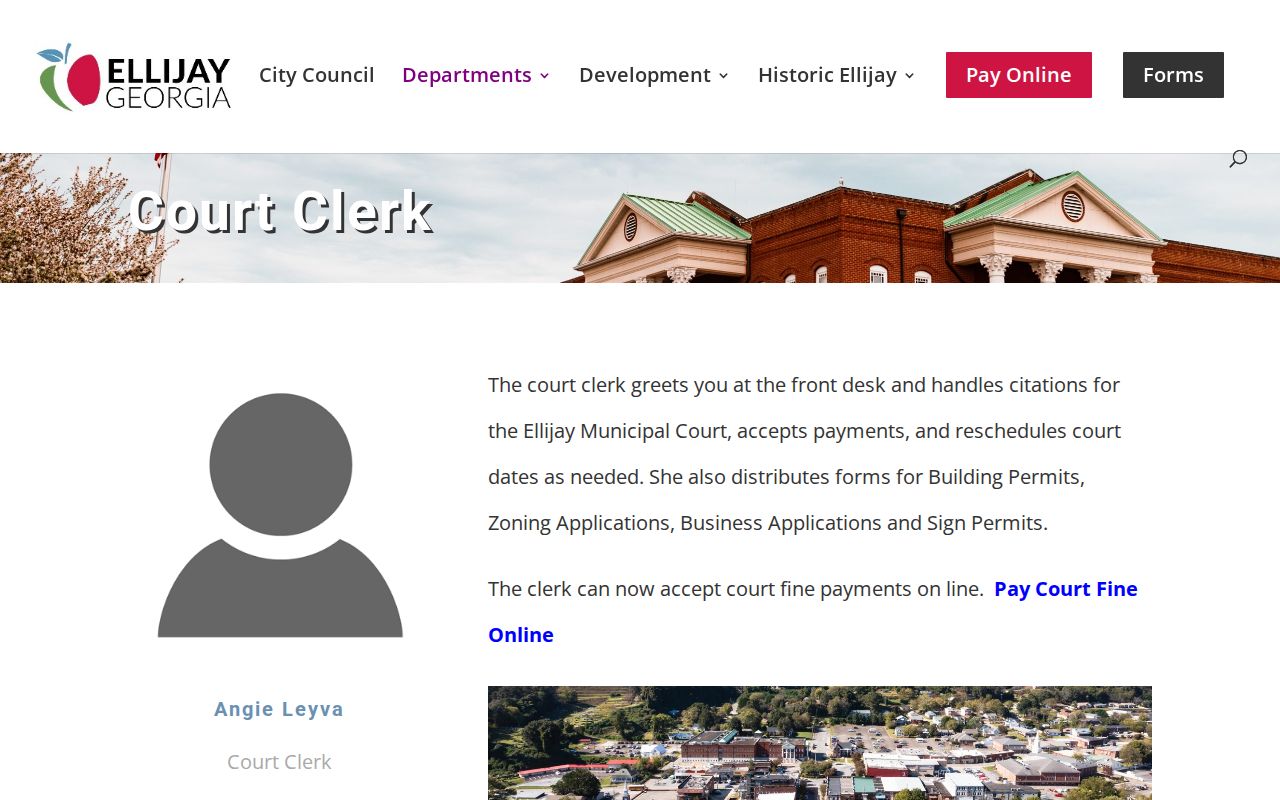
Those clerk details route city citations well enough. They cannot replace confirmation of a criminal arrest warrant from Gilmer County Magistrate or Superior Court.
What a Gilmer County Arrest Warrant Contains
Gilmer County publishes no online warrant search screen, so nobody can promise an exact field list. A court or sheriff record may still name the subject, the alleged offense, the issuing court, the issue date, and bond terms. Sealed, juvenile, and investigative material can stay withheld.
| Warrant identifier | A court or agency number, if released. No public local format was verified. |
|---|---|
| Named subject | The identity used in the sworn request and order. |
| Alleged offense | The accusation supporting arrest, not a judgment of guilt. |
| Issuing court | The court with authority over the warrant and file. |
| Issue and status | The date and any status the custodian can confirm. |
| Bond | Whether release is allowed and what current terms apply. |
When you ask a Gilmer County clerk to pull a record, use the number printed on real court papers. A made-up sample or a commercial name match is not a reliable substitute.
Gilmer Arrest Affidavit Access Limits
A warrant and the papers behind it do not always open to the public at the same moment. Georgia Open Records Act exemptions can shield records tied to a pending investigation, and sealed filings, juvenile matters, confidential sources, and sensitive facts may stay restricted even after the case moves. A withheld document, though, does not prove no warrant exists. For sheriff-held material, Gilmer County routes requests through the county Open Records process to Carla Nelson at cnelson@gilmersheriff.com. Expect at least three business days for research. The first 15 minutes carry no research charge, and copies run 10 cents per page. Court records follow the clerk's own procedures instead, because courts are not agencies under the Act. The Ellijay Police page documents how that city handles report and citation access.
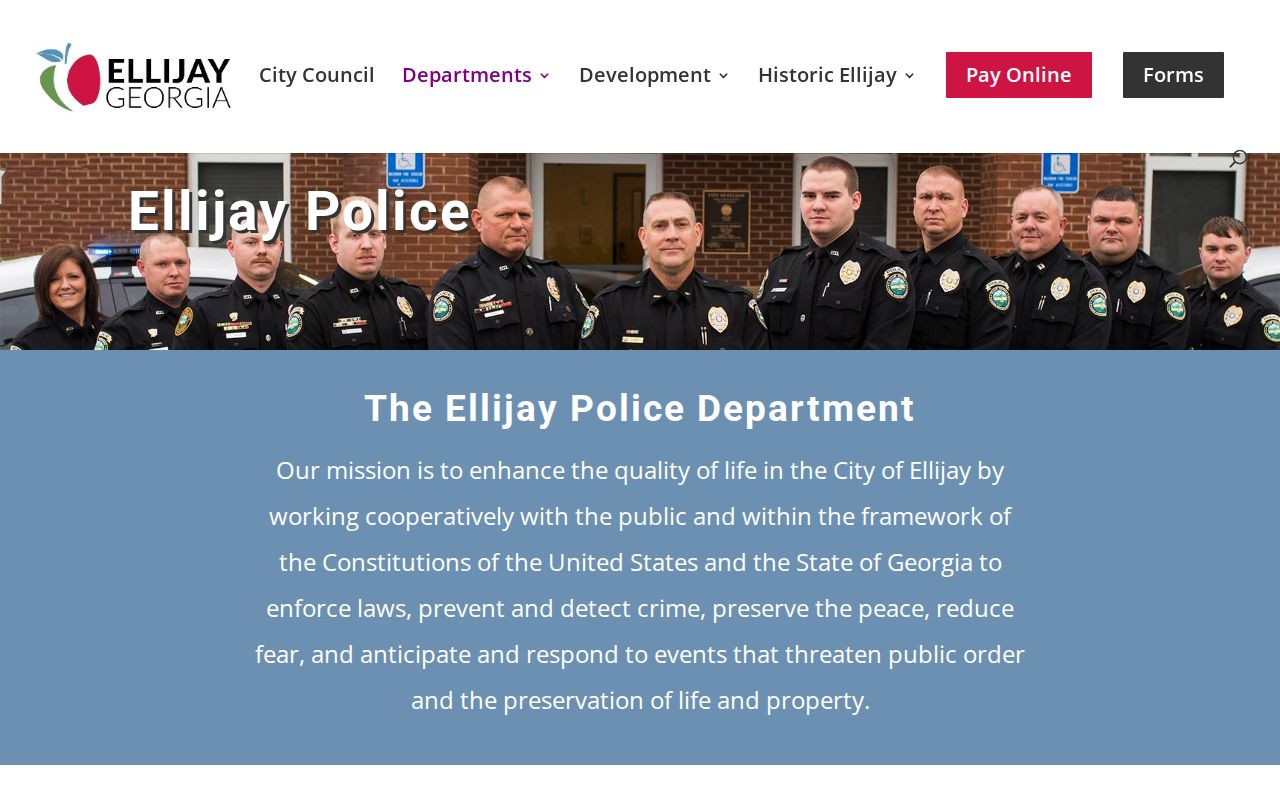
It reinforces that a police report request and live arrest-warrant confirmation are different tasks.
How Gilmer County Arrest Warrants Are Served
The Gilmer County Sheriff's Office Court Services unit is the office actually named to serve warrants. It serves criminal warrants, moves prisoners, guards the courthouse, and carries civil and probate process, with a warrants clerk described in the annual report. Captain Howard Ensley is listed at 706-515-2658, and sheriff administration answers at 706-635-4162. A Gilmer County arrest warrant can be served during direct contact, a traffic stop, booking on another matter, or a planned surrender, and city police or other agencies may act within their own authority. Booking and the court process then take over first appearance and bond. The Detention Center is 706-635-4625. Dispatch at 706-635-8911 handles public-safety calls but is not a warrant desk.
Gilmer Warrant Service by Numbers
The GCSO 2024 annual report gives a sense of the workload without naming anyone. Its Uniformed Patrol table lists 381 "Warrant Served" incidents. That count is service activity, not open Gilmer County warrants or warrants issued.
Court Services also covers security, civil process, extraditions, and transport. Anyone calling should give a full name, date of birth, and known court details, then ask what staff can confirm about a Gilmer County warrant. The official Ellijay-linked portal handles citations only.
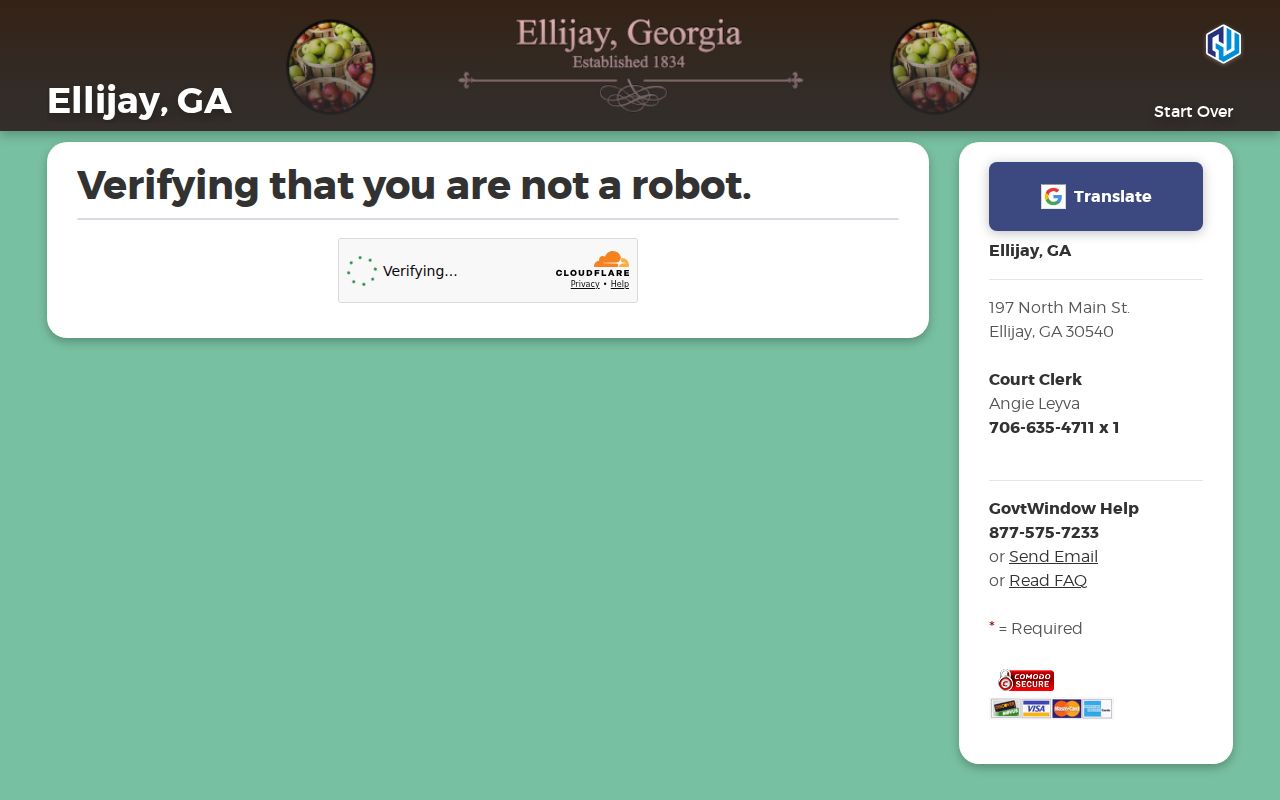
Its narrow purpose shows why a criminal warrant needs Court Services or court confirmation.
Gilmer Arrest, Summons, and Bench Warrants
These papers are triggered by different events. A Gilmer County arrest warrant needs probable cause for an alleged offense. A summons orders an appearance without custody. A bench warrant usually follows a missed hearing.
| Feature | Arrest warrant | Summons | Bench warrant |
|---|---|---|---|
| Command | Take into custody | Appear on a date | Return after a missed duty |
| Basis | Probable cause | Case without first arrest | Failure to appear or comply |
| Source | Judge or magistrate | Court process | Court managing the setting |
| Response | Counsel, surrender, bond | Attend and answer | Reset, recall, bond |
Paying, or watching a name vanish from a vendor screen, does not prove a Gilmer County warrant is recalled; only the issuing court can confirm that.
Gilmer Arrest Warrant Bond Questions
The local inmate handbook says a person charged with a bondable offense may seek bond, and that bond can be posted day or night for release from the Detention Center, but it publishes no current amount, payment method, or bond schedule. Bond is a promise to return, not a dismissal. Ask whether the warrant is still active, whether the offense is bondable, where booking happens, and which court sets the terms. Magistrate Court is 706-635-2515, the Public Defender is 706-698-7322, and the Detention Center is 706-635-4625. The East Ellijay Public Safety page offers one more agency route in Gilmer County.

If a city agency started the case in Gilmer County, ask that agency which court and county office now hold custody and set bond terms.
Confirm a Gilmer Arrest Warrant
Gilmer County offers no public name-search portal, and Georgia has no statewide warrant database. Confirm through direct channels instead.
- Identify the court, agency, case number, or citation from papers.
- Call Court Services at 706-515-2658 or sheriff administration at 706-635-4162.
- Contact Magistrate Court at 706-635-2515 or the Superior Court Clerk at 706-635-4462 when the case points there.
- Use a narrow written request when a releasable document, rather than live status, is needed.
- Ask counsel about confirmation, surrender, booking, and bond before visiting.
Georgia's official warrant guidance leaves it to local sheriffs whether they confirm a Gilmer County warrant by phone or in person. It also warns that walking in to ask can mean immediate custody.
Handle a Gilmer County Arrest Warrant
Start by confirming the issuing court and the warrant's current status. Then talk with a lawyer about a planned surrender, bond, an appearance, or a motion to recall or quash. Recall means the issuing court withdraws its warrant. Quash means a court formally sets it aside. Payment, a records response, or an old docket entry does not clear anything, so get confirmation from the issuing court itself. Ask where to report, what identification to bring, whether bond terms are known, and how the next hearing gets set. The Gilmer County warrant records overview lays out the full local route. One practical wrinkle: Gilmer County offices publish conflicting suite numbers for some courthouse counters. The county usually lists 1 Broad Street, while circuit pages show other suite or Sand Street locations, so confirm the current counter by phone before you go. Court Services works out of the courthouse and handles warrant service along with security and transport, so tell the person answering that your question concerns an arrest warrant rather than a civil paper. If the matter began outside Gilmer County, the local sheriff can answer only for this county. Georgia guidance says to contact each relevant county separately. Federal matters run through a different route. Gilmer County sits in the Northern District of Georgia, and a federal docket is not live warrant confirmation. Anyone who suspects a federal warrant should consult counsel and use the federal court or U.S. Marshals channels, not a county citation vendor. Those boundaries keep a personal warrant check pointed at the one office that can give a current, lawful answer.
Important: Call counsel before appearing at a sheriff or court counter because an active Gilmer arrest warrant can result in immediate custody.